
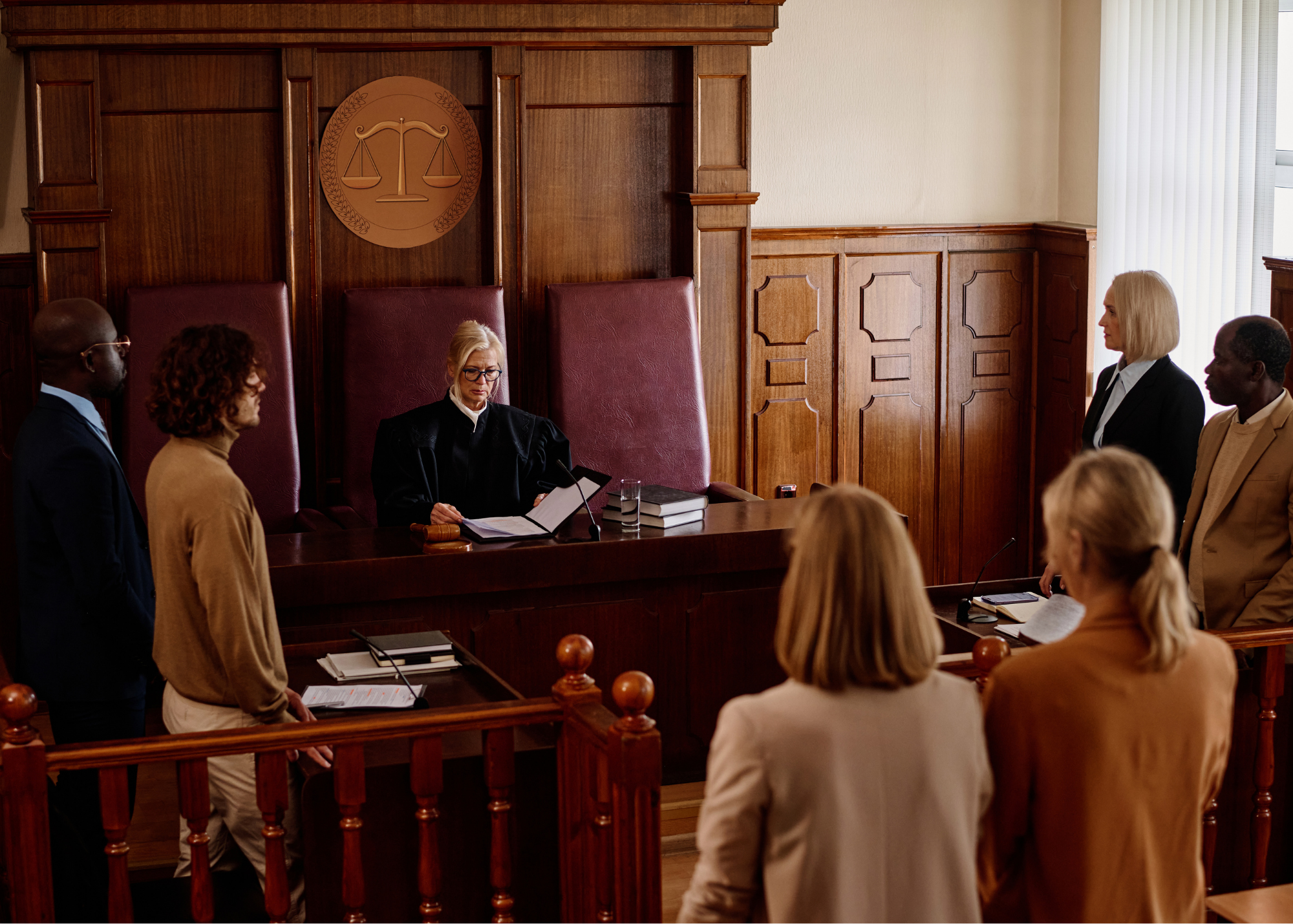
Even in the modern era, courtrooms are steeped in longstanding traditions and formality. The way you dress in court signals respect for the judicial process and creates a great first impression for the judge, who is likely seeing you for the first time. In Virginia, family law matters, such as divorce and child custody, are handled as a “bench trial”, which means the judge is the one who makes the final decision regarding your case. Dressing well communicates responsibility, seriousness, reliability and stability – all critical factors in any family law case.
The general rule is that when you are going to court, you should dress like you are going to a job interview.
For Women:
Women’s fashion provides a lot more flexibility in both the rules for what can be worn and the types of outfits available. A great rule of thumb is to wear dress pants and a long sleeve blouse with flats, but there are many ways to change what you wear to fit your style.
- Tops: Wear a blouse or dress shirt during the summer, and a sweater in the winter or during colder months. Blazers can also be added to level up any outfit. Avoid wearing anything sleeveless, cropped with a deep V-neck, or skin-tight.
- Bottoms: Dress pants or a knee-length skirt are ideal to wear to court. Avoid wearing anything too tight or with holes/rips.
- Dresses: Dresses are a great option, especially in the summer when it can be hot outside. If you choose to wear a dress, it should be at least knee-length and not too tight or revealing. If it is sleeveless, layer it with a blazer or cardigan.
- Footwear: Flats or lower heels are best for the courtroom. Avoid sneakers, stiletto heels, open-toed sandals, or flip-flops.
- Accessories: Keep jewelry to a minimum. A watch or bracelet, simple necklace and earrings create a very smart combination that elevates any outfit. Avoid anything too flashy, large or something that will make noise when you move.
- Hairstyle / Grooming: Style your hair in a way that is long-lasting and you won’t constantly try to mess with or fix all day. Neatly styled loose hair, a simple bun or a ponytail is ideal. If you wear makeup, keep it minimal and natural. Avoid any bright colors.
For Men:
Overall, men’s fashion has pretty firm rules on what one should wear to a specific occasion. A button-down shirt and dress pants are a great choice when it comes to going to court. That said, there are a few ways you can tailor your outfit to make it feel more comfortable.
- Shirts: For most of the year, a button-down shirt or collared polo works well. In the colder months, layering a sweater overtop will give understated sophistication. You can’t go wrong with layering a jacket and tie no matter the weather. Avoid T-shirts and athletic apparel. If you wear white a white button-down shirt, add a colored tie, jacket or sweater.
- Pants: Gray or black dress pants are ideal to wear to court, but any neutral color works. Avoid wearing sportswear, shorts, and anything with holes/rips or too tight.
- Footwear: Closed toed shoes is required for men. Dress shoes or clean loafers are preferred.
- Accessories: Keep any accessories to a minimum. A watch or bracelet is always a classy touch. Avoid anything too large or flashy.
- Hairstyle / Grooming: Hair (including facial hair) should be clean and trimmed.
No matter what you wear, almost anything can look great as long as it is wrinkle free, clean and fits you well. Keeping to these guidelines will help you leave a great first impression with the judge and ensure the court case starts off on the right foot.
Court in Virginia
Court appearances can be overwhelming. The attorneys at Cooper Ginsberg Gray are ready to guide you through every step of the process — contact us today to schedule a consultation by calling (703) 934-1480 or visiting www.cgglawyers.com.