
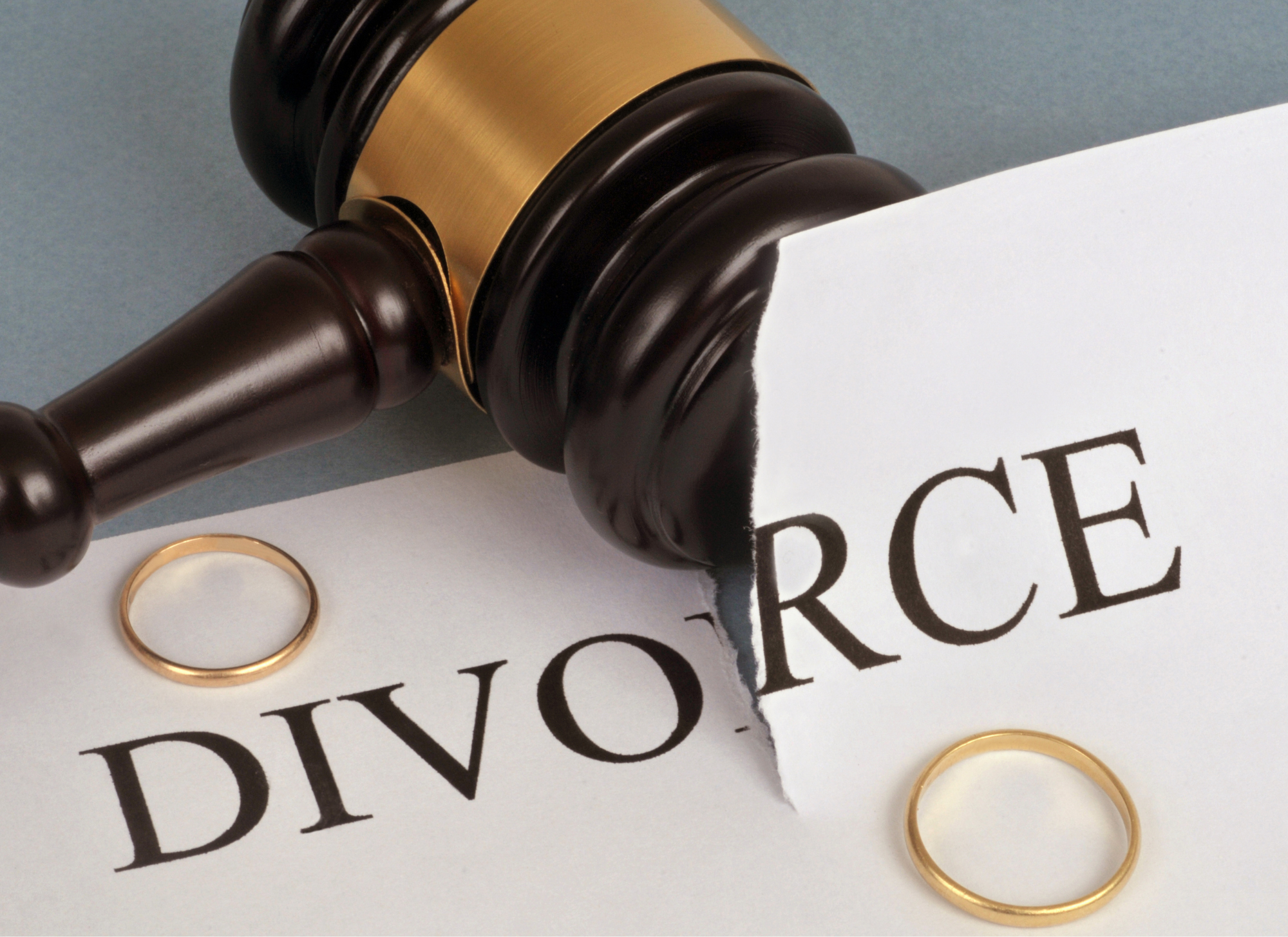
Going through a divorce is one of the most stressful experiences a person can face. Among the most frequent questions that new clients ask our lawyers is: “What happens to our property?” It’s a natural concern, and the answer is guided by Virginia’s “Equitable Distribution” laws.
Virginia Is an “Equitable Distribution” State
Virginia does not automatically divide assets right down the middle. Instead, Virginia follows the principle of equitable distribution. This means that if parties are unable to agree on a division of assets on their own and they end up in a contested court case, the judge will distribute assets in a way that he or she determines to be fair — but not necessarily equal.
A judge considers a wide range of factors to determine what “fair” looks like in your specific situation.
Marital Property vs. Separate Property
Before anything can be divided, the court must classify each asset as marital property, separate property or hybrid property.
Marital Property
Marital property generally includes anything acquired by either spouse during the marriage (defined as starting on the date of marriage and ending one the date of separation), regardless of how the asset is titled. Common examples can include:
- The family home purchased during the marriage
- Bank accounts and investment accounts established during the marriage
- Retirement accounts that were started during the marriage
- Vehicles, furniture, and even pets
- Businesses that were started during the marriage
Separate Property
Separate property is generally not subject to distribution by Virginia divorce courts. Examples of separate assets include:
- Assets owned by one spouse before the marriage or acquired after the date of separation
- Inheritances or gifts received by one spouse, even during the marriage
- Compensation for pain and suffering resulting from a personal injury
- Property explicitly excluded by a prenuptial or postnuptial agreement
Hybrid Property
Some assets are part marital, part separate – otherwise known as “hybrid property.” Only the marital portion of these assets can factor into the overall distribution of marital assets by a Virginia court during divorce. Examples of hybrid assets include:
- A home purchased during the marriage with inherited funds used as the down payment, and earnings during the marriage used for mortgage payments and/or capital improvements that increased the value of the property
- A 401k account that existed as of the date of marriage, and to which contributions were made during the marriage (by the employee spouse and/or the employer)
- An engagement ring given to one spouse before the marriage that was enhanced with additional jewels during the marriage
- A car that was purchased during the marriage, using a trade-in value for a premarital vehicle
Factors Virginia Courts Consider
When determining how to distribute a divorcing couple’s marital assets, a Virginia judge must weigh numerous factors, including:
- The length of the marriage
- Each spouse’s contributions to the marriage, both financial and non-financial (e.g., raising children, supporting a career)
- Each spouse’s age and physical and mental condition
- Circumstances and factors which contributed to the dissolution of the marriage
- How and when each asset was acquired
- The tax consequences of dividing certain assets
- Whether a spouse used marital assets for separate/non-marital purposes or dissipated marital funds in anticipation of a divorce
What About the Family Home?
The family home is often the most emotionally and financially significant asset in a divorce. In Virginia, several outcomes are possible if the issue is presented to a court for determination, including:
- One spouse buys out the other’s share of the marital equity and keeps the home
- The home is sold and net proceeds are divided equitably
Can Spouses Agree on Their Own?
Yes — and in fact, reaching a property settlement agreement outside of court is almost always preferable. When spouses negotiate and agree on how to divide assets, they retain more control over the outcome, avoid the cost of litigation, and typically reach a resolution faster.
A skilled family law attorney can help you negotiate a fair agreement and ensure it is properly drafted and legally binding.
Pro Tip: Even when both parties agree, having your own attorney review any settlement agreement before you sign is strongly recommended. Once signed by both parties, Marital Settlement Agreements are exceedingly difficult to undo.
Protecting Your Financial Future
Property division in a Virginia divorce can be complex — especially when significant assets, business interests, or retirement funds are involved. If you are considering, or you are currently navigating, a divorce in Virginia, understanding how the state divides marital assets is essential to protecting your financial future.
Whether you’re just beginning to explore your options or you’re ready to move forward, we’re here to help.
Reach out to our Virginia family law attorneys by visiting www.cgglawyers.com or calling (703) 934-1480.